
Conditions We Treat
One page, short descriptions. Each condition links to the related videos and articles in the education library that is where the deeper explanations live.
Headaches and Migraines
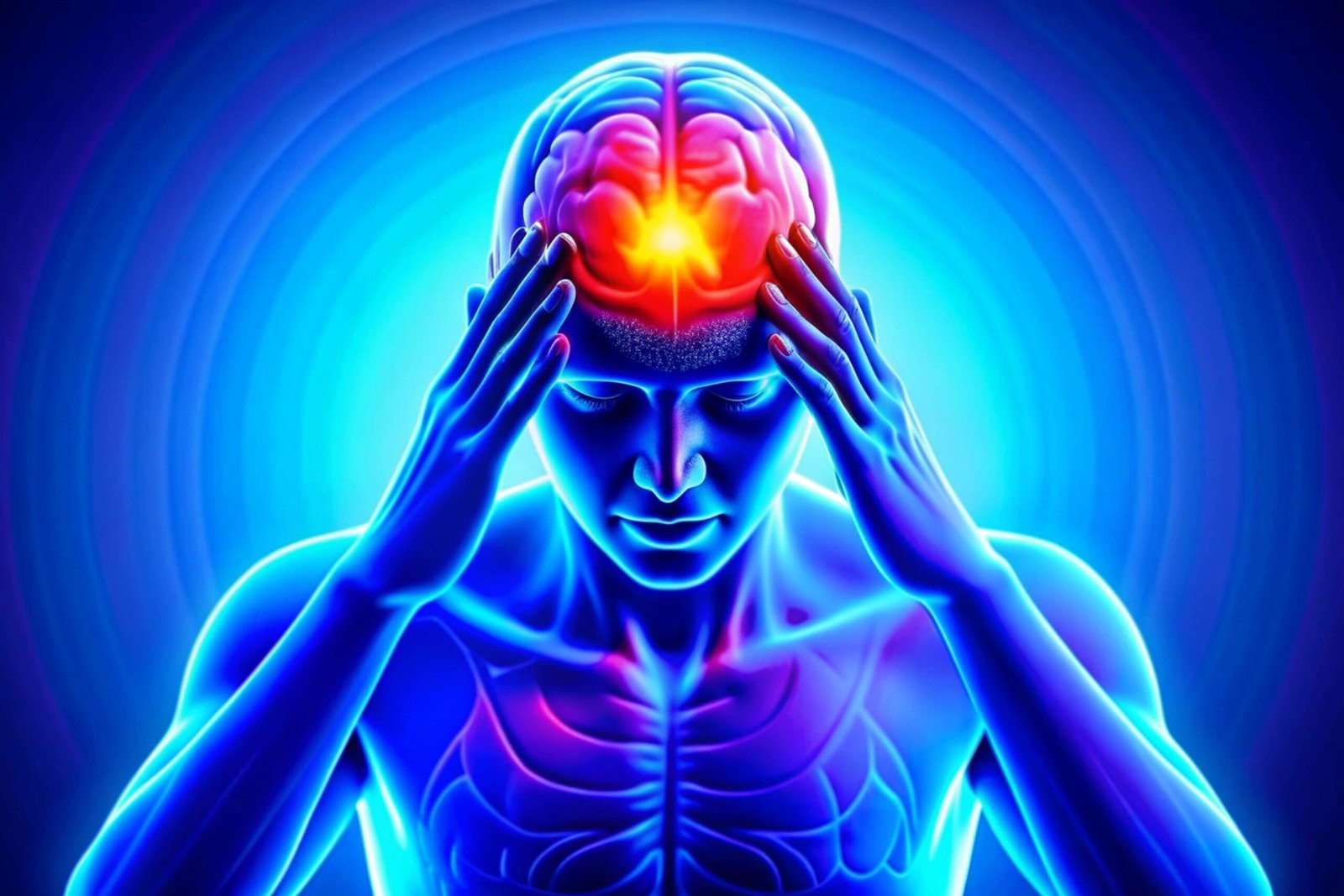
Headaches and migraines can cause much more than head pain. Symptoms may include throbbing or pulsating pain, nausea, sensitivity to light or sound, dizziness, visual changes, or difficulty concentrating. Treatment is individualized and may begin with changes in sleep, hydration, meals, exercise, stress management, and identifying triggers, with preventive or rescue medications added when needed. Seek medical attention for headaches that are new, worsening, unusually severe, or interfering with daily life. A sudden worst headache, or a headache accompanied by new weakness, numbness, speech or vision changes, fever, or neck stiffness, requires urgent evaluation.
Epilepsy and Seizures
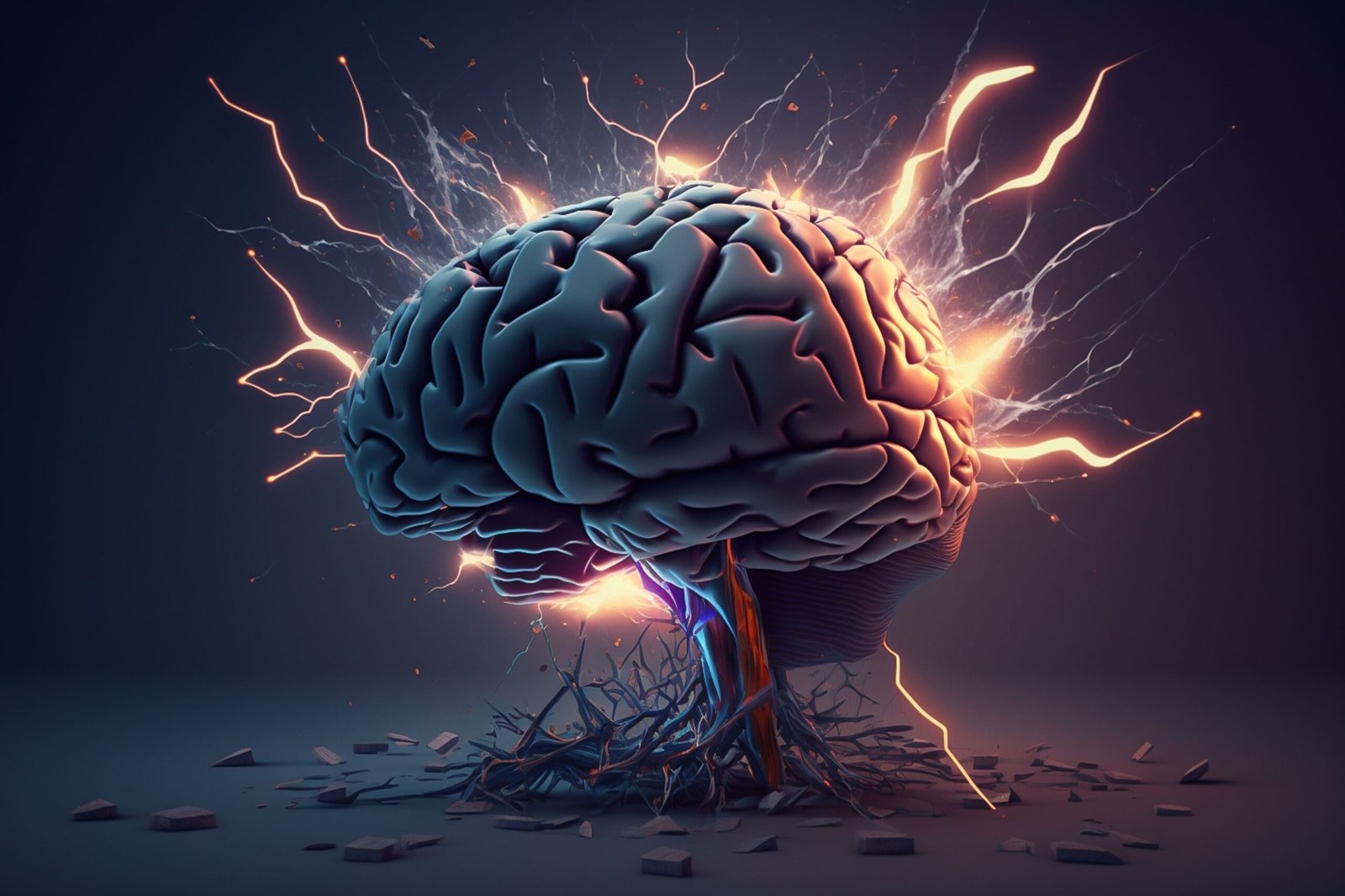
Seizures result from abnormal electrical activity in the brain and may cause staring, confusion, unusual movements or sensations, loss of consciousness or awareness, or convulsions. A careful history, neurological examination, EEG, brain imaging, and other testing can help determine whether an event was a seizure and identify the type of epilepsy. Treatment may include anti-seizure medications and, for selected patients, dietary therapy, devices, or epilepsy surgery. Emergency care is appropriate for a seizure lasting five minutes or longer, repeated seizures without recovery, breathing difficulty, significant injury, or failure to return to the person’s usual state.

Concussion Head Injury
A concussion is a mild traumatic brain injury that may follow a blow or jolt to the head, even when there is no loss of consciousness. Symptoms may include headache, dizziness, nausea, sensitivity to light or sound, difficulty concentrating, memory changes, sleep disturbance, mood changes, or problems with balance and coordination. Many symptoms improve with time, while persistent or worsening symptoms may require further evaluation and a structured plan to guide a safe recovery.

Multiple sclerosis
Multiple sclerosis is an inflammatory condition that affects the brain and spinal cord. Symptoms may be subtle or intermittent and can include vision changes, numbness or tingling, weakness, imbalance, dizziness or vertigo, fatigue, and cognitive changes involving memory, attention, or processing speed. Diagnosis may require neurological examination, MRI, and other testing. Early diagnosis, appropriate disease-modifying treatment, and thoughtful symptom management can lead to significantly better outcomes.

Parkinson's Disease and Tremor

Memory Loss and Alzheimer's Disease
Changes in memory and thinking can occur for many reasons and do not always indicate dementia. Persistent or progressive symptoms may include increasing forgetfulness, difficulty finding words, changes in judgment or behavior, trouble completing familiar tasks, or growing difficulty with everyday activities. A neurological evaluation can help identify reversible contributors, distinguish normal aging from Alzheimer’s disease or another neurodegenerative condition, and guide treatment, planning, and support.

Neuropathy and Nerve Disorders
Nerve disorders may present as numbness, tingling, burning pain, unusual sensitivity, weakness, itching, or other abnormal sensations. Evaluation begins with a detailed history and neurological examination and may include EMG and nerve-conduction studies, blood testing, imaging, genetic testing, or specialized studies when indicated. Many causes of neuropathy are treatable or manageable, particularly when an underlying condition is identified early.

Stroke and TIA
A stroke occurs when blood flow to part of the brain is interrupted or when bleeding occurs in the brain. A transient ischemic attack, or TIA, causes temporary stroke-like symptoms and serves as an important warning sign. Symptoms may include sudden weakness or numbness, facial drooping, difficulty speaking, vision changes, or loss of balance or coordination. New or sudden symptoms require immediate evaluation by calling 911, even when they improve or resolve.

Muscle and Neuromuscular Disorders
Weakness, muscle cramps, fatigue, twitching, or persistent body aches may point to a condition involving the muscles, nerves, or the communication between them. Evaluation begins with a detailed history and neurological examination and may include EMG and nerve-conduction studies, laboratory testing, imaging, genetic testing, or other specialized studies. Identifying the cause matters because neuromuscular conditions range from relatively benign disorders to illnesses in which early treatment can make a meaningful difference.

Vertigo and Dizziness
Vertigo and dizziness may feel like spinning, lightheadedness, unsteadiness, imbalance, or difficulty walking. These symptoms can arise from the inner ear, brain, circulation, medications, or other medical conditions. A neurological evaluation can help determine whether the symptoms fit vestibular migraine, a disorder affecting the brain or balance pathways, or another cause requiring additional testing or treatment.

Sleep Disorders
Sleep disorders affect the quality, timing, or duration of sleep and may contribute to daytime fatigue, excessive sleepiness, headaches, difficulty concentrating, or memory problems. Insomnia, restless legs syndrome, narcolepsy, sleep apnea, and other disorders of sleep and wakefulness can all disrupt restorative sleep. Evaluation helps identify the likely disorder and guide appropriate testing and treatment.

Neck Pain Back Pain and Spine Disorders
Neck and back pain may arise from conditions affecting the spine, discs, joints, muscles, spinal cord, or surrounding nerves. Herniated discs, spinal stenosis, radiculopathy, and degenerative changes may also produce numbness, tingling, weakness, or pain that travels into an arm or leg. A neurological evaluation can determine whether nerve or spinal cord involvement is present and whether imaging, electrodiagnostic testing, therapy, or specialist referral is appropriate.

Gait Disturbance and Falls
Changes in walking or repeated falls may reflect problems with balance, strength, sensation, coordination, vision, medications, or the brain, spinal cord, nerves, and muscles. Symptoms may include unsteadiness, shuffling, veering, leg weakness, numb feet, or difficulty rising and turning. A neurological evaluation can help identify the contributing factors and guide treatment, therapy, assistive devices, and fall-prevention strategies.

Fainting and Loss of Consciousness
Fainting and episodes of lost or altered consciousness have many possible causes. Syncope occurs when blood flow to the brain briefly decreases and may relate to blood pressure, heart rhythm, or reflex mechanisms, while seizures and other neurological conditions can produce similar events. Careful review of what happened before, during, and after an episode helps determine whether neurological, cardiac, or other medical testing is appropriate.
Start with what you have been noticing
You do not need a diagnosis to make an appointment. These are the symptoms we evaluate most often.
- Numbness or tingling
- Muscle weakness
- Tremors or abnormal movements
- Memory changes or confusion
- Dizziness or imbalance
- Fainting or unexplained loss of consciousness
- Vision or speech changes
- Persistent headaches
- Muscle cramps or pain
Common questions
What should I bring to a first visit?
A list of your current medications and doses, any prior imaging or test reports, your insurance card and photo ID, and a short note about when your symptoms started. If someone has noticed changes you have not, bring them along.
Will I need testing?
Only when it will change the plan. Many visits start with a history and examination; testing such as EEG or EMG is ordered when the findings call for it, and we explain why before scheduling.
Can my visit be by telemedicine?
Most follow-ups and many first visits work well by telemedicine anywhere in Texas. Some evaluations need an in-person examination our office will tell you which applies before your appointment.
Not sure where you fit? Ask us.
Send a request with what you have been noticing and our office will help you find the right visit.