
Tests & Treatments
Diagnostics and in-office procedures offered at Northline Neurology. Each one is explained what it involves, how long it takes, and what we learn from it before anything is scheduled.
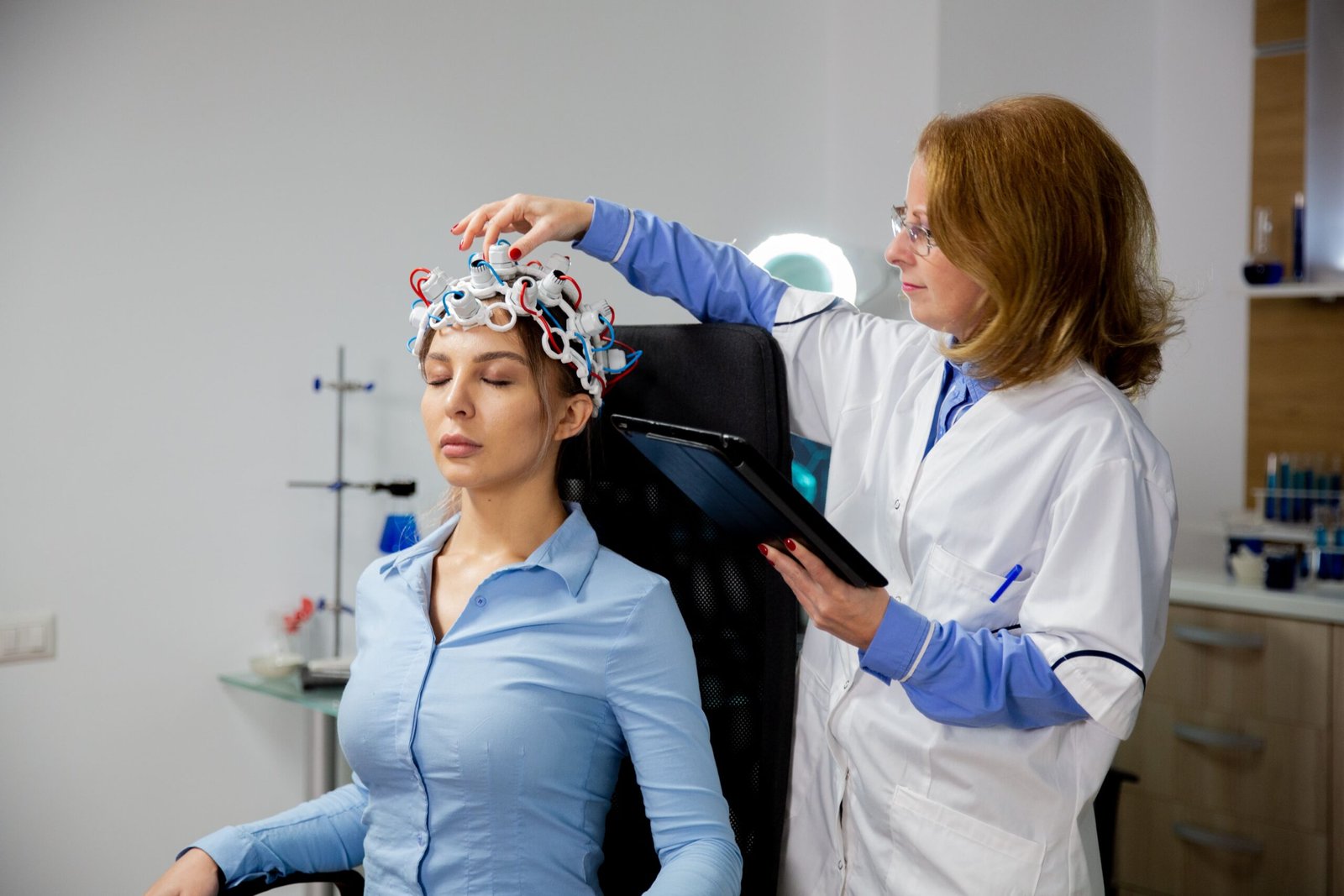
EEG Testing
An electroencephalogram, or EEG, is a painless test that records the brain’s electrical activity through small electrodes placed on the scalp. It may help identify patterns associated with epilepsy and evaluate recurring events such as staring, confusion, unusual movements, or loss of awareness. During the test, you may be asked to rest with your eyes open or closed, breathe deeply, or look at flashing lights. The EEG findings are interpreted together with your symptoms, medical history, examination, and other testing because a normal EEG does not completely rule out epilepsy.
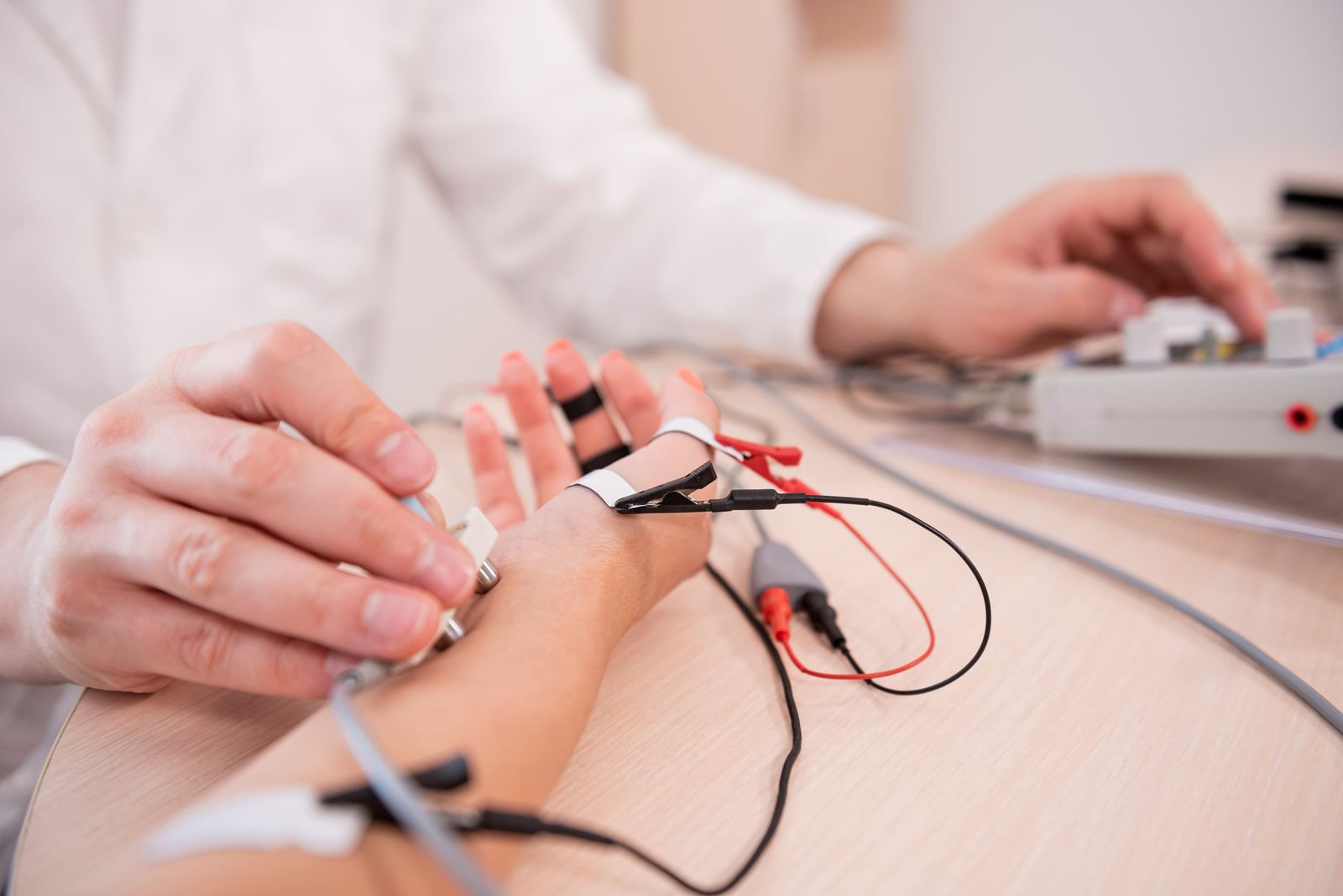
EMG and Nerve-Conduction Studies
EMG and nerve-conduction studies evaluate the peripheral nerves, muscles, and the communication between them. Nerve-conduction testing uses electrodes on the skin and brief electrical impulses to measure how quickly and strongly signals travel through selected nerves. The EMG portion uses a fine needle electrode in selected muscles to record their electrical activity at rest and with movement. Together, the tests can help identify neuropathy, pinched nerves, carpal tunnel syndrome, radiculopathy, muscle disease, and other causes of numbness, tingling, pain, or weakness. Temporary tingling, soreness, or mild bruising may occur during or after the study.

Botox for Chronic Migraine
Botox, or onabotulinumtoxinA, is an FDA-approved preventive treatment for adults with chronic migraine, defined as headaches on 15 or more days each month with headaches lasting four hours a day or longer. Treatment involves a series of small injections across specific areas of the head and neck and is generally repeated every 12 weeks. Botox is intended to reduce the frequency and overall burden of migraine over time rather than stop an individual attack once it has started. The treatment plan is individualized and may be combined with other preventive and rescue therapies when appropriate.
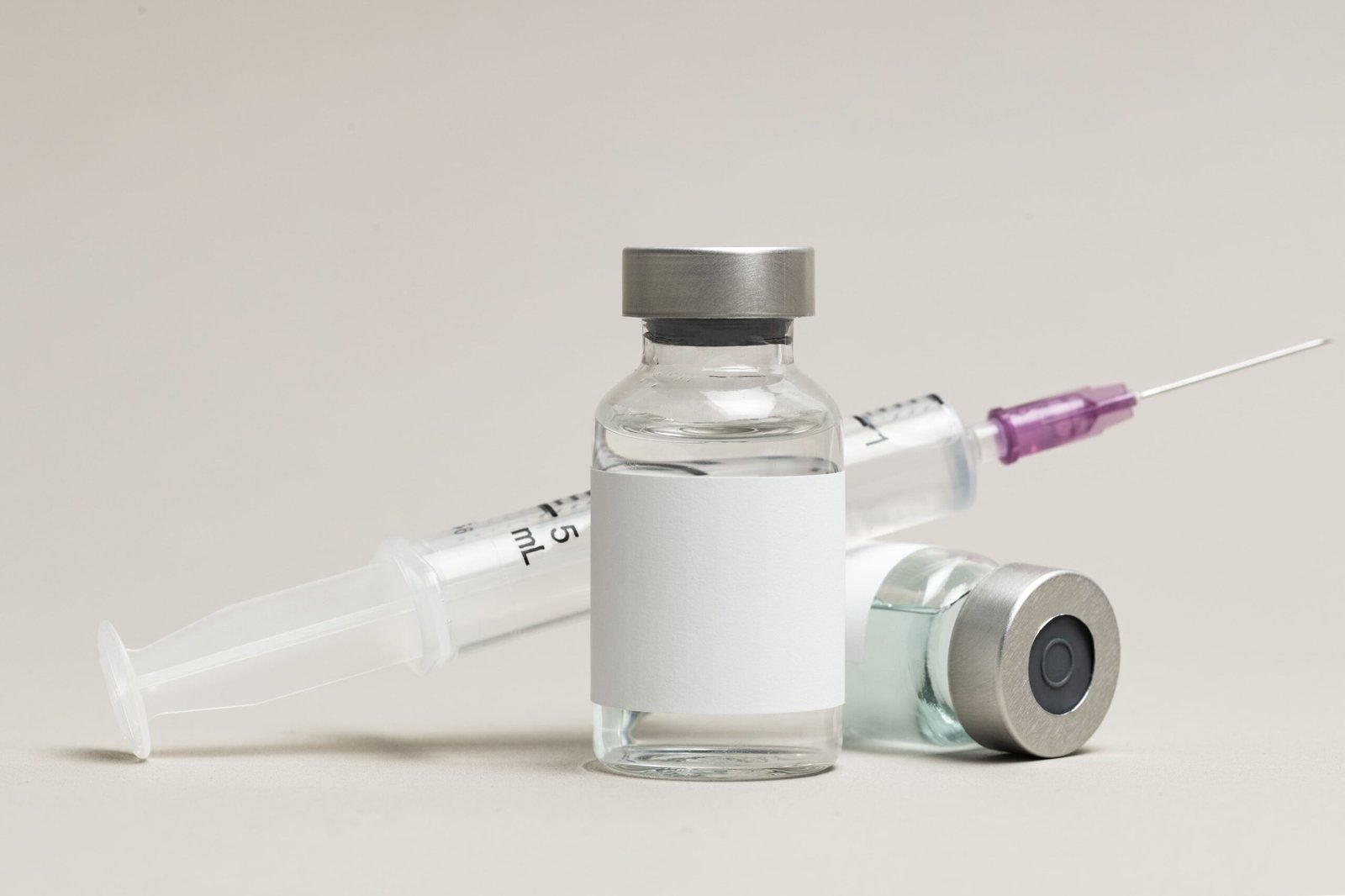
Botox for Spasticity
Spasticity causes muscles to remain abnormally tight or stiff and may occur after stroke, brain or spinal cord injury, multiple sclerosis, or another neurological condition. Botox can be injected directly into selected overactive muscles to temporarily reduce excessive muscle activity. Treatment is planned around the individual’s pattern of tightness and functional goals, which may include improving comfort, positioning, hygiene, range of motion, walking, or ease of caregiving. Botox does not correct a fixed contracture, and it is often most helpful when combined with stretching, physical therapy, occupational therapy, bracing, or other rehabilitation strategies.

Trigger Point Injections
Trigger points are tender, tight areas within a muscle that may cause local pain or pain felt in another area. A trigger point injection places a small amount of medication, commonly a local anesthetic and sometimes another medication, directly into the painful muscle area. The procedure is performed in the office and may be considered when muscle-related head, neck, shoulder, or upper-back pain persists despite measures such as stretching, activity modification, medication, or physical therapy. Response varies, so injections are used as one part of an individualized treatment plan rather than as a cure for every type of pain.

Occipital Nerve Blocks
The occipital nerves carry sensation from the upper neck and back of the head toward the scalp. An occipital nerve block places local anesthetic, sometimes with an anti-inflammatory medication, near one or more of these nerves. It may be used for occipital neuralgia and selected headache disorders when pain begins in the upper neck or back of the head and travels forward. The procedure is performed in the office and may provide temporary relief while also helping clarify whether the occipital nerves are contributing to the pain. Brief scalp numbness or tenderness at the injection site may occur afterward.
Start with what you have been noticing
You do not need a diagnosis to make an appointment. These are the symptoms we evaluate most often.
Our office verifies your benefits and tells you the expected cost before the appointment.
Our office verifies your benefits and tells you the expected cost before the appointment.
You hear the findings from the same neurologist who ordered the test.
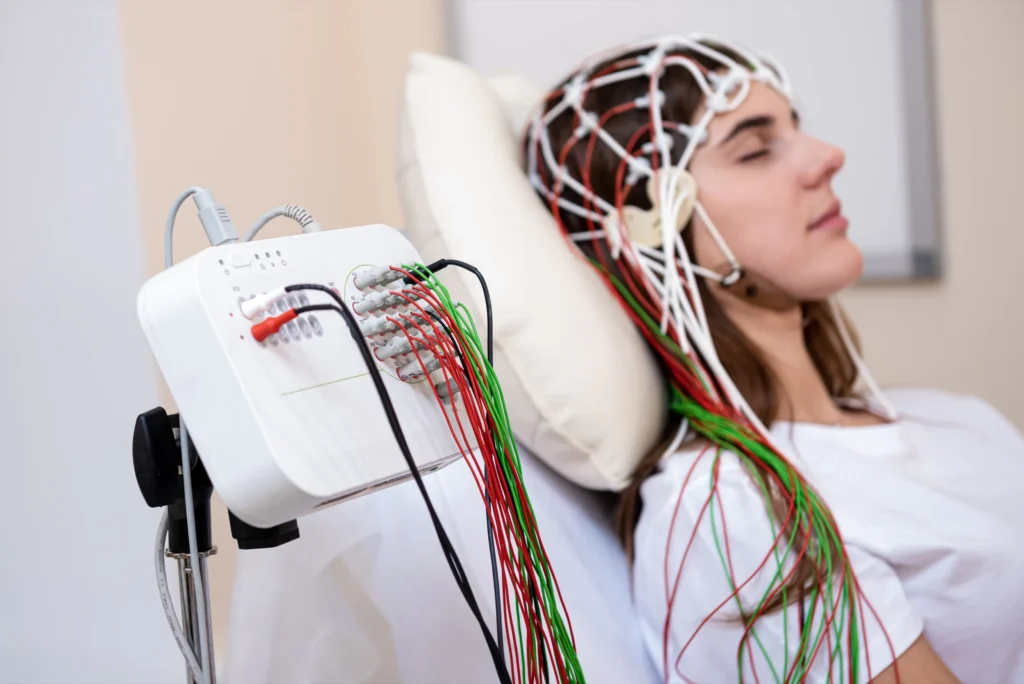
See a neurologist from home, anywhere in Texas. Appointments may be available within 24 hours.
We accept most major commercial insurance plans, Medicare, as well as self-pay. Contact us directly for self-pay options.
Have a test recommended elsewhere?
Send us the order or prior records and we will tell you what is needed. Appointments may be available within 24 hours.